Blog

  • Typhoon season: what it means for travel

    Navigating Typhoon Season at Our Donsol Guesthouse

    There’s a moment, usually mid-afternoon, when the ceiling fan begins to push cooler air across the veranda. The coconut palms shift from a lazy sway to an urgent rustle, and the first fat drops of rain hit the corrugated roof like a drumroll. If you’ve just arrived from the United Kingdom, clutching a phone that’s been flashing a grim thunderstorm icon for the entire week leading up to your trip, your heart probably sinks. You’ve flown seven thousand miles for paradise, and the forecast looks like a washout. We’ve seen that look of quiet desperation a hundred times. But here at Victoria’s Guesthouse Donsol, we’ve learned to read the sky rather than the apps, and we’re writing this to reassure you that a typhoon season holiday is rarely the disaster the internet predicts.

    The Reality of a Donsol Wet Season

    The wet season in this corner of the Bicol region runs roughly from July to January, and it’s defined by a rhythm that generic forecasting tools completely fail to capture. We’ve watched guests stare at the BBC Weather App on their phone, seeing an unbroken chain of identical lightning symbols stretching ten days into the future, and assume they’ve made a catastrophic booking error. The truth is far more nuanced. Donsol sits in a sheltered coastal pocket where weather systems behave very differently than they do in the exposed eastern seaboard of Luzon. A typical day during the wet months dawns with glassy seas and intense blue skies, perfect for getting out on the water early. The heat builds, the cumulus clouds stack up over Mayon Volcano’s distant silhouette, and then, usually between two and four in the afternoon, the sky delivers a theatrical, hour-long deluge. By sunset, the air is scrubbed clean and the horizon glows orange. That static thunderstorm symbol on your phone is a blunt instrument; it cannot convey that a “rainy day” here is often just a rainy hour.

    Why a ‘Rainy Day’ is Often Just a Rainy Hour

    The convective rainfall pattern in southern Luzon is driven by daytime heating, meaning mornings are overwhelmingly dry. We structure our whale shark briefing and boat departures around this, getting guests out onto the water by 7:30 AM when the visibility is at its peak and the sea surface is still flat. When the rain arrives later, it’s a spectacle to watch from the guesthouse balcony, not a holiday-ender. You’ll learn to time your swims and excursions with the same rhythm the local fishermen use. The key is flexibility, and our team is here to provide that local interpretation that a generic forecast simply lacks.

    The Silver Lining: Lush Landscapes and Waterfall Swims

    That daily drenching isn’t just an inconvenience to work around; it’s the reason the landscape behind Donsol is so explosively green. The hills are draped in a velvet of rice paddies and coconut groves that simply doesn’t exist during the parched dry season. More importantly for the adventurous traveller, the seasonal rains turn the inland waterfalls into thundering, exhilarating swimming holes. A trek to a spot like Busay Falls becomes a completely different experience when the water is in full flow. You’re not tiptoeing into a trickle; you’re plunging into a cool, deep basin surrounded by jungle that’s humming with life. A wet season visit rewards you with the Philippines at its most raw and vibrant.

    Whale Shark Interactions: Do They Cancel the Boats?

    This is the single biggest question we field from anxious guests, and the answer requires understanding the difference between a standard afternoon downpour and an actual tropical cyclone. Rain itself does not stop the whale shark boats. We’ve had spectacular, sunny interactions while a grey curtain of rain sat harmlessly a mile offshore. What matters is wind, swell, and the official typhoon warning signals hoisted by the Philippine Coast Guard. The local Butanding Interaction Officers, in coordination with the coast guard, assess conditions at the interaction site at dawn. A light drizzle with calm seas means the boats go out. A Signal Number 1 typhoon warning, however, means all small craft are grounded, no exceptions. Our job at Victoria’s Guesthouse Donsol is to interpret the morning flag system for you, translating the official notices into clear, honest advice so you’re not left standing on the beach wondering.

    Understanding Local Typhoon Signal Warnings

    The Philippines uses a distinct five-level Tropical Cyclone Wind Signal system, and it’s far more granular than the “storm or no storm” binary you might be used to. Signal Number 1 means winds of 30–60 km/h are expected within 36 hours; whale shark boats will be cancelled, but life on land continues largely as normal. Signal Number 2 brings stronger winds and is when we start securing loose objects around the guesthouse. Signal Number 3 and above is a serious event requiring everyone to shelter in place. The coast guard here is exceptionally strict, and rightly so. We explain this system to guests on arrival because knowing the framework removes the fear of the unknown. You learn that a Signal 1 day is not a crisis; it’s simply a redirection.

    Alternative ‘Plan B’ Days: Firefly Tours and Local Cooking

    When the boats are grounded, the Donsol experience doesn’t stop. The firefly tours along the Ogod River are often at their most magical on drizzly, overcast evenings, as the mangroves glow with a soft, electric pulse that seems amplified by the damp air. It’s a silent, drifting boat ride that feels worlds away from the adrenaline of chasing whale sharks. We also run impromptu cooking sessions in the guesthouse kitchen, where you can learn to make a proper Bicol Express, simmering pork in coconut cream and enough chillies to make your eyes water. These unplanned days often become the stories guests retell most fondly; the day the sea said no, so they learned to pound spices with a mortar and pestle instead.

    Travel Insurance and Flight Disruptions for UK Visitors

    For travellers coming from the United Kingdom, the logistics of a typhoon disruption involve a long chain of connections, and the weakest link is almost always Manila. We’ve seen too many guests arrive drained and frustrated, having assumed their standard policy covered every eventuality, only to discover gaps in the fine print. The key is knowing what your insurer and your airline will actually do when a tropical depression is named, and having a buffer built into your itinerary.

    Connecting Through Manila: Where Bottlenecks Happen

    Your journey typically involves a long-haul leg into Ninoy Aquino International Airport, followed by a domestic hop on Philippine Airlines or Cebu Pacific down to Legazpi or directly to Bicol International Airport. When a typhoon hits Luzon, NAIA can grind to a halt, and domestic flights are often the first to be cancelled. Philippine Airlines has a generally more flexible rebooking policy for weather events, often allowing free rebooking to the next available flight without penalty, while Cebu Pacific’s process can be more rigid, sometimes offering only travel vouchers. We always advise building an overnight buffer in Manila on your inbound journey. A cheap airport hotel can save you from missing the whale sharks entirely.

    What Your ABTA Protection Might Not Cover

    If you’ve booked a package holiday, you might assume your ABTA Protection is a safety net for everything. While ABTA provides crucial financial protection if a tour operator collapses, it does not automatically cover natural disaster disruption unless the Foreign, Commonwealth and Development Office advises against all but essential travel to the region. For independently booked trips, your travel insurance is your only line of defence. We’ve seen guests with Aviva Travel Insurance policies successfully claim for additional accommodation and rebooking costs when a named typhoon caused flight cancellations, because their policy specifically included natural catastrophe cover. However, a generic “bad weather” delay without a named storm is often excluded. Call your provider, ask specifically about “named tropical cyclone cover,” and read the policy wording for natural disaster exclusions before you fly.

    Life Inside Victoria’s Guesthouse During a Storm

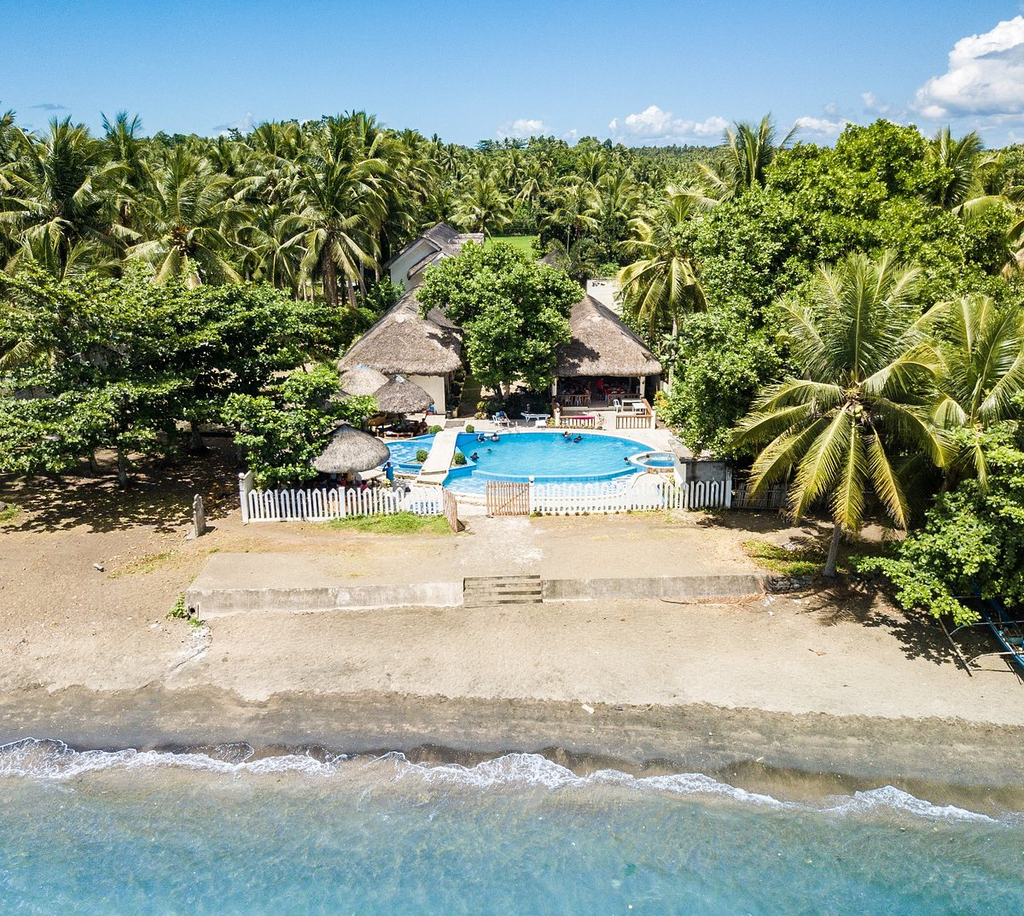
    There’s a specific kind of cosiness that descends on a solidly built guesthouse when the wind picks up outside. Victoria’s Guesthouse Donsol is a concrete structure, designed with typhoons in mind, not a flimsy nipa hut that rattles with every gust. When a storm parks itself over the Bicol peninsula, the atmosphere inside shifts into something communal and unexpectedly enjoyable. The rain hammers horizontally against the windows, the trees thrash dramatically, and we all settle in. It’s not a lockdown; it’s a forced exhale, and we’ve gotten rather good at it.

    Our ‘Typhoon Kit’: Power, Internet, and Comfort Food

    We’ve invested in the things that matter when the grid goes down. A backup generator keeps the lights on and, crucially, the router humming. Our Wi-Fi is strong enough to stream Netflix even when the weather outside is biblical, which means you can hunker down with a film rather than stare at a blank wall. The kitchen shifts into comfort mode, producing big pots of chicken adobo and garlic rice. We stockpile essentials, but the real heart of our typhoon kit is less tangible: it’s the board games we pull out, the deck of cards that appears, and the pot of local coffee that never seems to empty.

    The Unexpected Joy of a Forced ‘Slow Travel’ Day

    Modern travel is often a frantic checklist of experiences. A typhoon day strips all that away. You can’t go anywhere, you can’t tick anything off, and so you sit. You read that book you’ve been carrying around. You have a long, meandering conversation with another traveller from a completely different walk of life. You watch the storm and realise it’s actually mesmerising. These are the moments that transform a trip from a series of photographs into a genuine memory. We’ve seen guests arrive frustrated at the delay and leave the next morning describing the storm as the highlight of their stay.

    Packing for the Tropics: The UK Perspective

    There’s a particular kind of kit that’s surprisingly difficult to source locally, and if you’re flying from the United Kingdom, you have access to some of the best wet-weather gear in the world. The disposable ponchos sold at every roadside stall here are fine for a five-minute dash, but they shred in a real downpour and leave you steaming in your own sweat. Your packing strategy should reflect the reality that you’re protecting expensive electronics and irreplaceable documents in a high-humidity, occasionally torrential environment.

    The Lightweight Raincoat vs. The Disposable Poncho

    Bring a proper shell. A lightweight, breathable rain jacket from a UK brand like Berghaus or Rab will serve you infinitely better than anything you can buy locally. These jackets pack down small, they don’t turn into a mobile sauna, and they’ll withstand a proper tropical soaking without delaminating. You’ll wear it on the boat during a spray-filled crossing, you’ll throw it on for the afternoon downpour, and it’ll dry in minutes once the sun returns. A cheap poncho, by contrast, will leave you damp, frustrated, and contributing to plastic waste. That Berghaus rain jacket is worth its weight in gold out here.

    Protecting Your Passport and Tech from Humidity

    The ambient humidity in Bicol during the wet season is relentless. It creeps into camera lenses, it warps paper, and it can silently destroy a passport left in a damp daypack. We strongly recommend packing a set of quality dry bags, not just for boat trips but for everyday organisation inside your luggage. A simple roll-top dry bag will keep your phone, power bank, and travel documents bone-dry regardless of what’s happening outside. Silica gel packets stuffed into camera bags are a low-tech lifesaver. You’ve travelled halfway across the world with expensive kit; a few pounds spent on waterproof storage before you leave the UK is the smartest insurance you can buy.

    Why We Love the ‘Off-Season’ Value

    Let’s reframe the entire narrative. The months that carry the “typhoon season” label are also the months when Donsol reveals its most intimate self. The room rates at Victoria’s Guesthouse Donsol drop, the beaches empty out, and the whale shark interaction zone becomes a quiet, almost spiritual space. We’ve been out on the water in September with only two other boats, watching a juvenile whale shark feed placidly at the surface for forty minutes without a single jostling snorkeller in sight. That experience simply doesn’t exist in the peak months when fifty tourists are churning the water into foam around a single animal.

    The off-season offers a different kind of luxury: space. You get the beach to yourself. You get longer, more patient interactions with the wildlife. You get to know the local community without the distraction of crowds. The afternoon rain is a small price to pay for the profound sense of discovery that comes with having Donsol almost entirely to yourself. It’s the season for travellers, not tourists, and the value proposition is unbeatable.

    Conclusion

    A tropical storm is not a ruined holiday; it’s a raw, authentic part of the Bicol experience that most travellers only ever read about. The key is having a team on the ground who can read the sky, interpret the signals, and pivot the plan without panic. At Victoria’s Guesthouse Donsol, we’ve been doing exactly that for years. We’ll get you on the water when it’s safe, we’ll feed you well when it’s not, and we’ll make sure you leave understanding that a typhoon season visit isn’t a compromise; it’s a privilege.

    Frequently Asked Questions

    Will I definitely see whale sharks if I visit during typhoon season?

    Whale sharks are present in Donsol waters year-round, but interactions are always subject to weather conditions. During the wet season, boats are grounded only when a formal typhoon warning signal is hoisted. On standard rainy days with calm seas, operations continue normally, and sightings are often excellent due to the plankton-rich water.

    Is it safe to stay at a guesthouse during a typhoon?

    Absolutely. Victoria’s Guesthouse Donsol is a solid concrete structure built to withstand the typhoons that regularly pass through the Bicol region. We have a backup generator, emergency supplies, and a team experienced in storm protocols. You are far safer inside our guesthouse than you would be in a lightweight beach hut.

    What should I pack from the UK that I can’t easily buy in Donsol?

    A high-quality lightweight rain jacket from a brand like Berghaus or Rab is essential and difficult to source locally. Equally important are dry bags for protecting electronics and documents, and any specific UK-brand toiletries or medications you rely on. Local shops stock basics, but specialist outdoor gear is not readily available.

    Does my UK travel insurance cover typhoon-related cancellations?

    It depends entirely on your policy wording. Providers like Aviva Travel Insurance may cover named tropical cyclone disruptions if you purchased the policy before the storm was named. Always check for specific “natural disaster” or “catastrophe” cover, and be aware that ABTA Protection does not automatically cover weather-related flight cancellations unless FCDO advice changes.

    What happens if my flight from Manila is cancelled due to a storm?

    Philippine Airlines typically offers free rebooking to the next available flight during weather disruptions, while Cebu Pacific’s policies can be more restrictive. We strongly recommend building a one-night buffer in Manila on your inbound journey and keeping your travel insurer’s emergency contact details readily accessible.

  • Sustainable community tourism in Sorsogon

    Our Guide to Genuine Sustainable Community Tourism in Sorsogon

    Let’s be honest: the phrase ‘eco-tourism’ has been stretched so thin by marketing departments that it often means little more than a hotel that asks you to reuse your towels. Here in Sorsogon province, the reality is far grittier, more human, and infinitely more rewarding. We see true sustainability not as a certificate on a wall, but as a two-way street paved with mutual respect between the traveller and the host. It’s about understanding that your presence should actively fuel a local economy, not just passively observe a beautiful landscape. Before you read on, shed the clichés; the community-first reality of rural Philippines doesn’t require perfect comfort, just an open mind.

    What Sustainable Community Tourism Actually Means Here

    Community-based tourism is a term often hijacked by entities that simply exist within a community rather than actively circulating wealth through it. For us, it’s a precise economic mechanism. It means the revenue generated by your stay remains locked within the barangay, circulating through local hands rather than leaking out to distant shareholders or international hotel chains. This isn’t about charity; it’s about a robust localised economy where tourism acts as a supplementary income stream for families who have fished these waters and farmed this land for generations.

    Beyond the Eco-Label: A Living Wage for Barangay Donsol

    Slapping a green leaf on a logo is easy; paying a dignified living wage that respects the seasonal rhythms of rural life is the hard metric we chase. In Barangay Donsol, livelihoods traditionally hinge on the unpredictable bounty of the sea and the slow, steady yield of rice paddies and coconut groves. Tourism, when managed correctly, acts as a stabiliser. It absorbs the shock of a poor fishing season, offering alternative income through guiding, driving, or cooking. We aren’t interested in extracting the cheapest possible labour cost; we are interested in ensuring our neighbours can afford to send their children to school without abandoning their cultural heritage for a factory job in Manila.

    Why Your Booking Choice Dictates Who Benefits

    The seemingly small act of choosing where to sleep is a powerful vote. When you book an international chain, a significant percentage of your payment immediately exits the country via franchise fees and centralised procurement systems. By choosing a locally-owned Philippines guesthouse, you are effectively direct-depositing your travel budget into the hands of the people who greet you at the door. That choice dictates whether a local farmer sells his vegetables to a multinational or to the kitchen that cooks your breakfast. It’s the single most impactful decision you make on your holiday, long before you even pack your bags.

    Victoria’s Guesthouse Donsol: A Base with a Conscience

    Our operational model at Victoria’s Guesthouse Donsol strips away the corporate layers. We aren’t trying to replicate a sterile, globalised hotel experience. Instead, we operate as a dynamic hub where the guesthouse acts as a conduit for local distribution. We refuse to use outside recruitment agencies that import staff from distant cities. Our promise is simple: the money you pay for a night’s rest stays in the postcode where you rest. We exist to connect you to the genuine rhythm of Donsol, not to shield you from it with imported luxury.

    From the Talipapa to Your Plate: Our Local Supply Chain

    We don’t have a complex logistics department; we have the local talipapa. Every morning, before the tropical sun gets too aggressive, our team heads to the wet market to haggle for the day’s catch and the freshest produce. The tomatoes, the eggs, the aromatic garlic, and the freshly caught tuna—they travel not from a refrigerated lorry, but from a bamboo basket balanced on a vendor’s head or a tricycle sidecar. This hyper-local sourcing ensures that your Filipino breakfast directly supports the market vendor, the fisherman who woke up at 3 AM, and the farmer tilling a plot just outside town. The supply chain is short, transparent, and delicious.

    The Team Next Door: Hiring Within Our Community

    Walk into Victoria’s Guesthouse Donsol, and you will be greeted by faces that live within walking distance. We hire exclusively from the immediate neighbourhood. The hands that make your bed and prepare your coffee belong to people who have a vested interest in the reputation of their own home turf. There are no sterile HR departments or external agencies. This policy ensures that the skills and economic benefits of hospitality are grown right here. When we train a team member in food safety or guest relations, that knowledge stays within the barangay, elevating the local talent pool permanently.

    The Ripple Effect of Choosing a Local Philippines Guesthouse

    The true magic of community tourism isn’t the single transaction between you and us; it’s the cascading economic chain reaction that follows. A peso spent at a local guesthouse behaves very differently to a peso spent at an all-inclusive resort. In an isolated resort, the economy stops at the front gate. In our world, that peso fragments and multiplies, touching lives we might never even meet. It’s a beautiful, chaotic web of micro-transactions that keeps the entire town vibrant.

    How a Single Night’s Stay Multiplies Through the Local Economy

    Consider the anatomy of your booking. A portion of your room rate becomes the salary of our housekeeper, who buys rice from a local sari-sari store. Another portion pays for the tricycle driver we call to pick you up from the bus terminal. The breakfast ingredient budget goes to the talipapa vendor, who in turn pays the local porter. This is the multiplier effect in action. Your single night’s stay doesn’t just rent a bed; it triggers a chain of income distribution that an all-inclusive resort, with its bulk-bought imported goods, completely bypasses.

    Tricycle Drivers, Guides, and the Micro-Economy of Donsol

    Donsol runs on the hustle and heart of its independent operators. We don’t own a fleet of air-conditioned vans; we call Kuya Roger or Kuya Jun, the tricycle drivers who know every pothole on the road. When you book a tour, we connect you with independent, accredited local guides whose knowledge of the Butanding migration patterns is ancestral, not scripted. This informal network of drivers, boatmen, and market vendors forms the backbone of the Donsol micro-economy. By choosing us, you are keeping these independent livelihoods alive, ensuring the streets remain filled with the buzz of opportunity, not the silence of economic drain.

    Responsible Encounters: The Whale Sharks and Fireflies

    Donsol is famous for its charismatic megafauna, but fame can be a destructive force if not managed by science and community respect. The wildlife encounters here are not run by private corporations seeking maximum profit; they are governed by strict protocols established through years of collaboration between the local government, the community, and international conservation bodies. We treat these encounters not as a spectacle, but as a privileged glimpse into a wild world we are tasked with protecting.

    Butanding Interaction Rules: Science, Not Spectacle

    Swimming with the whale sharks (Butanding) in Donsol is a regulated activity, a stark contrast to the feeding-induced chaos found in other parts of the country. The guidelines, heavily influenced by the pioneering work of the World Wide Fund for Nature (WWF) Philippines and enforced by the Department of Tourism, prioritise animal welfare above guest selfies. There are strict rules regarding the number of swimmers per shark, a mandatory distance requirement, and a total prohibition on touching or flash photography. It is a silent, respectful drift alongside a gentle giant. This science-backed framework ensures the sharks return annually to their natural feeding grounds without being harassed into changing their migratory behaviour.

    The Ogod River Firefly Cooperative Story

    The magic of the Ogod River at dusk is not just a natural wonder; it’s a triumph of community organisation. The firefly tours are managed by the Ogod River firefly cooperative, a group of former fishermen and local residents who realised that a living mangrove forest was worth more than a dead one cut for firewood. They protect the mangroves fiercely because their livelihoods now depend on the healthy insect populations these trees sustain. When you glide silently along the dark water, illuminated only by the blinking synchronicity of the fireflies, you are directly funding the preservation of that riverbank ecosystem. The boatmen are custodians first, tour operators second.

    Navigating the Challenges of ‘Slow’ Travel in Sorsogon

    We need to be candid: sustainable travel here requires a recalibration of your expectations. Sorsogon is not a polished, frictionless resort destination, and we don’t want it to be. The minor inconveniences of rural infrastructure are actually the barriers to entry that prevent mass tourism from spoiling the authenticity. This is ‘slow’ travel in the truest sense, where the journey and the waiting become part of the narrative, stripping away the stress of hyper-connectivity.

    Embracing the Offline Hours and Jeepney Rides

    The Wi-Fi in Donsol can be intermittent; it’s a feature, not a bug. These offline hours gift you the space to actually watch the sunset paint the sky over the rice paddies without a screen demanding your attention. Transport involves colourful, bumpy jeepney rides and tricycles, where you’re pressed shoulder-to-shoulder with locals. It’s not a sterile private transfer, but a slice of living culture. We find that once our guests surrender to this slower rhythm, the anxiety of constant connectivity fades, replaced by a deeper sensory engagement with the place.

    Managing Expectations for the British Long-Haul Visitor

    We understand the British traveller often arrives after a gruelling long-haul flight craving both adventure and a touch of comfort. We provide a clean sanctuary, genuine warmth, and strong coffee, but we don’t pretend to offer a sanitised, climate-controlled bubble. You might encounter a power fluctuation or a gecko chirping in the rafters. Come with patience, a sense of humour, and the understanding that these quirks are the price of admission to an authentic, low-impact experience. The reward is a connection to reality that a marble lobby can never provide.

    How Our Team Selects Partners and Excursions

    We act as a filter for our guests, ensuring that your curiosity doesn’t inadvertently fund poor practices. Our vetting process for external guides and excursions is rigorous and non-negotiable. We don’t simply hand you a generic leaflet; we connect you exclusively with operators who have passed our scrutiny regarding legal accreditation, safety, and environmental ethics. Your itinerary is curated to ensure that every adventure supports the right people.

    Our Vetting Criteria: Accreditation and Animal Welfare

    Before we recommend any partner, we verify their credentials with the municipal tourism office. We work closely with reputable local operators like Donsol EcoTour, who share our strict ethos. The criteria are clear: proper accreditation, adequate insurance, and a demonstrable commitment to animal welfare that exceeds the legal minimum. We have zero tolerance for guides who chase wildlife, breach the Butanding interaction guidelines set by the Department of Tourism, or harass animals for the sake of a dramatic photograph. We only partner with those who understand that a respectful distance is the ultimate sign of a responsible traveller.

    Plastic-Free Practices We Insist On During Tours

    The scourge of single-use plastic is a direct threat to the marine environment we cherish. We insist that our partner guides implement strict plastic-free practices. This means no disposable water bottles are provided; instead, guests are asked to bring refillable containers that can be topped up. Packed lunches are wrapped in banana leaves or reusable containers, not cling film or styrofoam. We brief our guides to actively police the trails and beaches, picking up any stray litter, even if it isn’t theirs. Protecting the Sorsogon coastline is a collective, hands-on responsibility.

    We invite you to step away from the bland predictability of luxury amenities and embrace a travel philosophy that leaves a destination richer, not poorer. The memory of a genuine connection—a shared laugh with a tricycle driver, the silent awe of a firefly-lit river, the taste of fish fresh from the talipapa—will outlast any thread-count. Join us in Donsol, and let’s prove that tourism can be a force for profound community good.

    Frequently Asked Questions

    What exactly is a talipapa and how does it differ from a supermarket?

    A talipapa is a small, traditional local wet market where independent vendors sell fresh produce, meat, and fish daily. Unlike a supermarket, supply chains are extremely short—often the person selling the fish is related to the person who caught it. By sourcing from the talipapa, we ensure money goes directly to local families.

    Is it guaranteed that I will see a whale shark in Donsol?

    No. Because we strictly adhere to the World Wide Fund for Nature (WWF) Philippines protocols, the Butanding are not fed or lured. They are wild migratory animals. While the interaction season (typically November to June) boasts high sighting rates, nature offers no guarantees. The boatmen use spotting techniques that respect the animal’s wild nature, making an encounter a genuine privilege rather than a staged performance.

    How reliable is the internet if I need to work remotely?

    We offer Wi-Fi, but we advise managing expectations for rural connectivity. The signal is generally sufficient for basic messaging and emails, but it can be intermittent during heavy weather. We encourage guests to view these offline periods as a digital detox, though we can direct you to the best spots on the property for the most stable connection.

    How do I get from Legazpi Airport to Victoria’s Guesthouse Donsol?

    We can arrange a trusted local driver for a private transfer, which is the most direct option. For the adventurous, a public van and tricycle combination is available. This journey takes you through the beautiful rural landscapes of Sorsogon, and we are happy to provide detailed instructions to help you navigate the local transport like a pro.

  • Local food in Donsol: where we send guests

    Local Food in Donsol: Where We Send Our Guests to Eat

    Let’s be candid: Donsol isn’t a culinary hotspot like Manila or Cebu, and anyone who tells you otherwise is probably trying to sell you a very expensive, very average seafood platter. But here’s the thing we’ve learned after years of running Victoria’s Guesthouse Donsol — after three hours of snorkelling alongside whale sharks, you will be absolutely ravenous. That post-interaction hunger is real, and where you satisfy it matters enormously. We’ve spent half a decade filtering the genuine local gems from the forgettable tourist traps, and we’ve become rather protective about where our guests end up eating. This isn’t just a list; it’s our personal food map, built through enthusiastic trial and the occasional regrettable error.

    Why Eating Local in Donsol Matters to Us

    Our team holds a simple philosophy: food is the quickest route to understanding Bicolano culture. You can’t truly say you’ve experienced this corner of the Philippines if you’ve only eaten hotel toast and fried chicken. The pivot point came a few years back when we kept hearing the same disappointing stories from guests who’d wandered into overpriced spots serving bland pancit and rubbery squid rings. We stopped just handing out recommendations and started physically walking guests to our favourite carinderias. Now, it’s practically part of the service. We want you tasting the real Sorsogon, not a watered-down version designed for a timid Western palate.

    The Bicolano Flavour Profile: Gata and Sili

    Bicolano cooking is defined by two uncompromising ingredients: gata (coconut milk) and sili (chilli). This isn’t a subtle cuisine. The coconut milk is unctuous and rich, extracted fresh from mature nuts, and it carries chilli heat in a way that coats your entire mouth. The signature flavour is a slow-building, creamy fire — not the sharp, acidic heat of a vinegar-based hot sauce, but something deeper and more lingering. Even the vegetable dishes arrive swimming in spiced coconut cream. If your meal doesn’t make your forehead glisten slightly, our team would argue you haven’t had the authentic experience.

    How We Built Our Personal Food Map Over 5 Years

    This map wasn’t compiled from TripAdvisor rankings. We ate our way through every carinderia, roadside grill, and market stall between the tourism centre and the neighbouring barangays. Some places were one-visit wonders; others became weekly rituals for our staff. We judged each spot on consistency, hygiene standards that meet our comfort threshold for guest recommendation, and whether the lola running the kitchen still uses her grandmother’s proportions for Bicol Express. The map changes constantly — new stalls appear, old favourites change hands — but the core stops have proven themselves over hundreds of guest meals.

    The Unmissable Bicolano Dishes We Insist You Try

    There are three non-negotiable dishes on our mental checklist for every guest at Victoria’s Guesthouse Donsol. If you leave without trying at least two of them, we’ve failed you. Fair warning: the real versions here are significantly, almost aggressively hotter than anything you’ll find at a UK ‘Filipino fusion’ pop-up. We’ve seen confident chilli enthusiasts reduced to happy, sweating silence.

    Bicol Express: The Real Deal vs. The Manila Version

    What passes for Bicol Express in Manila restaurants is often a tame, coconut-milk-splashed pork stew with a few token chilli slices. The Donsol version is an entirely different beast. Proper Bicol Express here uses siling labuyo — tiny, ferocious bird’s eye chillies — pounded into a paste with garlic and ginger, then simmered with pork belly and thick coconut cream until the oil separates and tints the surface a dangerous orange-red. The pork should be tender enough to cut with a spoon, and the sauce should make you reach for your third serving of rice. This is the dish that defines Bicolano cooking, and our team knows exactly where to find the best pot in town on any given day.

    Laing: Our Team’s Ultimate Comfort Food

    If Bicol Express is the region’s swaggering signature, Laing is its soul. Dried taro leaves are reconstituted and simmered for hours in spiced coconut milk with shrimp paste, garlic, and more of those relentless little chillies. The result is a dish that looks unassuming — a dark green, almost black mound — but tastes impossibly rich and complex. The taro leaves absorb the coconut milk like sponges, becoming silky and densely flavourful. Our team members each have their preferred Laing cook in Donsol, and the debates get surprisingly heated. The common thread: it must be cooked low and slow, never rushed.

    Fresh Catch: The Daily Donsol Seafood Market

    Donsol’s fishing boats return to shore in the early morning, and the daily market is where you’ll find the freshest seafood you’ve ever encountered. We’re talking lapu-lapu (grouper), tangigue (Spanish mackerel), and squid so fresh it’s still shifting colour. Many of the carinderias we recommend source directly from this market each morning. If you’re staying at Victoria’s Guesthouse Donsol and want to cook your own feast, our team can point you toward the best vendors and even help negotiate prices.

    Our Go-To Carinderias and Eateries in Donsol Town

    These are the zero-frills spots where the plastic chairs might wobble and the menu might be whatever Nanay decided to cook that morning, but the sinigang is transcendent. We bring our own families here.

    AGM Bukid: The Riverside Retreat

    AGM Bukid sits right on the riverbank, offering bamboo cottages and a dining setup where your feet practically dangle over the water. The menu covers Bicolano classics alongside grilled seafood, but the real draw is the setting — especially at dusk when the river turns gold and the air cools. Their grilled tuna jaw is massive and beautifully charred, and the Bicol Express here balances heat and creaminess with real precision. It’s a short tricycle ride from the guesthouse, and our team regularly sends guests here for a relaxed lunch that stretches into the afternoon.

    Woodland Grill: Meat Lovers’ Stop

    When you need a break from seafood but still want that charcoal-grilled satisfaction, Woodland Grill delivers. Their grilled pork belly (liempo) develops a crackling, caramelised crust while staying juicy inside, and the chicken inasal gets the proper annatto-and-calamansi treatment. The open-air dining area is unpretentious and welcoming, and the beer is always cold.

    The Market Carinderias: Breakfast Like a Local

    The unnamed carinderia opposite the public market has achieved near-legendary status among our repeat guests for one specific reason: Sili Ice Cream. Yes, chilli ice cream. It sounds gimmicky, but the execution is surprisingly brilliant — sweet, creamy, and cold, with a slow-building chilli warmth that catches you on the third spoonful. Beyond the ice cream, the market carinderias open early and serve the breakfast standards: garlic rice, fried eggs, and your choice of tapa (cured beef), longganisa (local sausage), or dried fish. This is where you eat elbow-to-elbow with market vendors and fishermen finishing their shifts.

    Where We Send Guests for a Slightly Fancier Night Out

    Sometimes you want a cold San Miguel and a view that justifies a few extra pesos on the bill. We understand completely, and Donsol has a couple of spots that deliver atmosphere alongside solid food.

    Vitton Beach Resort: Sunset and Seafood

    Vitton & Woodland Beach Resort’s open-air restaurant faces the water with unobstructed sunset views that are genuinely worth planning your evening around. The seafood platters are generous, the grilled squid is reliably tender, and the kitchen handles the Bicolano standards competently. It’s the kind of place where you linger over a second beer and watch the fishing boats bob in the bay. Our team recommends arriving by 5pm to secure a good table.

    Elysia: When You Need a Break from Chilli Heat

    Elysia Beach Restaurant has carved out a niche by offering something genuinely surprising in Donsol: wood-fired pizzas. After days of chilli-laced everything, the Western palate often craves a reset, and Elysia’s pizzas provide exactly that safety net. The crust is properly blistered, the toppings are generous, and the beachfront setting makes the whole experience feel like a treat rather than a surrender. They also do pasta and grilled options if pizza isn’t your thing. Our team sends guests here when we detect the early signs of chilli fatigue.

    Navigating Dietary Requirements in a Small Filipino Town

    Let us offer some practical, hard-won advice. Donsol is a small fishing town where the concept of voluntary meat avoidance is genuinely unfamiliar to many cooks. We’ve learned how to help guests navigate this through trial and error.

    Vegan and Vegetarian Survival Guide

    The word ‘vegetarian’ in a Donsol carinderia is often interpreted as ‘no visible chunks of pork’ — the shrimp paste in the vegetable dish and the chicken stock in the soup don’t necessarily register as meat products. Our team recommends learning two phrases: ‘walang karne’ (no meat) and ‘walang isda’ (no fish). Better yet, let us write them down for you. Your safest bets are garlic rice (sinangag), grilled aubergine ensalada with tomatoes and onions, and fresh tropical fruit from the market. Many kitchens will accommodate requests if you’re clear and patient. Coconut-based vegetable dishes like ginataang kalabasa (squash in coconut milk) can often be prepared without the usual shrimp paste if you ask in advance.

    Gluten-Free and Allergy Awareness

    Gluten-free as a concept has limited recognition in Donsol’s smaller eateries. Soy sauce, which contains wheat, is ubiquitous in Filipino cooking. Rice is naturally the staple starch, so you’re already ahead there. Stick to grilled meats and seafood, plain rice, and fresh fruit, and communicate your needs through our team rather than attempting to explain complex dietary restrictions solo. For serious allergies, we strongly recommend carrying a translated allergy card — we can help you prepare one in Bicolano and Tagalog.

    Bringing Donsol Home: Pasalubong and UK-Friendly Souvenirs

    The flavours of Bicol don’t have to stay behind when you fly back to the UK. Some items travel beautifully; others absolutely do not.

    Pili Nuts: The Ultimate Bicolano Snack

    Pili nuts are Bicol’s gift to the snacking world — often called the ‘Bicol almond’, though they’re richer and more buttery than any almond we’ve encountered. You’ll find them sold vacuum-sealed in various forms: plain roasted, sugar-glazed, chocolate-covered, or coated in honey. They’re lightweight, indestructible in transit, and genuinely unique to this region. The market stalls and souvenir shops around Donsol stock them in quantities suitable for bringing back to the office or family. Our team buys them by the kilo for our own pasalubong runs.

    Spiced Vinegar and Bagoong: Pungent but Worth It

    Bottles of sinamak (spiced coconut vinegar studded with chillies, garlic, and ginger) and bagoong (fermented shrimp paste) pack enormous flavour into small, sealable containers. Double-bag them in zip-locks and wrap them in clothing, and they’ll survive the flight to Heathrow without incident. We cannot, however, recommend attempting the same with fresh Bicol Express. A previous guest — let’s call him Dave — tried to transport a container of homemade Bicol Express in his carry-on, convinced the sealed Tupperware was invincible. The pressure change at altitude had other ideas. His backpack smelled of coconut and pork for weeks, and UK Border Force were not amused. Learn from Dave’s aromatic mistake.

    • Safe to pack: Pili nuts, spiced vinegar, bagoong, dried fish (well-wrapped), local chocolate tablets for making sikwate
    • Leave behind: Fresh Bicol Express, Laing, fresh seafood, anything coconut-milk-based that isn’t commercially sealed

    The best meals in Donsol come with sand on the floor, a view of the rice paddies, and a cook who’s been making the same three dishes for forty years. That’s not marketing spin — it’s simply how eating works here. The food map changes faster than we can print it, with new unmarked stalls appearing overnight and old favourites shifting locations. When you stay at Victoria’s Guesthouse Donsol, ask our team what’s just opened. We’ll probably be eating there ourselves that evening, and there’s always room for one more at the plastic table.

    FAQ

    Is the food in Donsol really that spicy?

    Yes, genuinely. Bicolano cuisine is the spiciest in the Philippines, and Donsol cooks don’t tone it down for visitors unless you specifically request it. The heat comes from siling labuyo, tiny bird’s eye chillies that pack a serious punch. If you’re concerned, ask for the chilli on the side — most carinderias are happy to accommodate.

    Can I find vegetarian food easily in Donsol?

    With preparation, yes. Without it, you’ll likely encounter shrimp paste or meat stock hidden in vegetable dishes. Stick to garlic rice, grilled aubergine salad, fresh fruit, and coconut-based vegetable dishes ordered with the phrase ‘walang karne, walang isda’. Our team at Victoria’s Guesthouse Donsol can help you communicate your needs and point you toward the most accommodating kitchens.

    Where exactly can I find the Sili Ice Cream?

    The Sili Ice Cream is sold at an unnamed carinderia opposite the public market in Donsol town. It’s not always available — it depends on whether the maker has prepared a batch — but mornings are your best bet. Ask our team for current directions, as the stall setup can shift on market days.

    Is it safe to eat at the market carinderias?

    We’ve been eating at Donsol’s market carinderias for years without issues. Look for stalls with high turnover — busy means fresh. The food is cooked at temperatures that handle most concerns, and we only recommend places where we’ve consistently observed good hygiene practices. If you have a particularly sensitive stomach, stick to fully cooked dishes rather than fresh salads.

    What’s the best food souvenir to bring back to the UK?

    Vacuum-sealed Pili nuts are our top recommendation — they’re lightweight, unique to Bicol, and travel perfectly. Spiced vinegar and commercially sealed bagoong also make excellent souvenirs. Avoid attempting to transport fresh cooked dishes; the results are rarely successful, as one former guest discovered when his Bicol Express exploded mid-flight.

  • Donsol dive sites and snorkelling spots

    The Best Donsol Dive Sites and Snorkelling Spots: Our Local Guide

    We still remember the first time we slipped beneath the surface here in Donsol, trading the familiar grey skies of home for a world of vibrant corals and gentle giants. It’s a moment that stays with you, that first plunge into bath-warm water where visibility stretches for metres and the silhouette of the world’s biggest fish can materialise out of the blue at any second. After years of calling this coastline home, our team at Victoria’s Guesthouse Donsol has logged countless hours on these reefs, drift dives, and mangrove channels. This guide is our personal take on the very best underwater experiences Donsol has to offer, from the adrenaline surge of deep-water pelagic encounters to the meditative joy of hunting for thumbnail-sized nudibranchs in the shallows.

    The Main Event: Snorkelling with Whale Sharks in Donsol

    Let’s address this straight away: snorkelling with whale sharks here is unlike anywhere else in the Philippines. Donsol pioneered a community-managed interaction programme back in 1998, and the WWF-Philippines butanding interaction programme in Donsol is often cited as a model for sustainable ecotourism. Unlike Oslob, where the animals are fed, Donsol’s encounters are entirely wild. You head out on a bangka with a trained Butanding Interaction Officer (BIO) who scans the surface for the tell-tale shadow or a scatter of plankton. When a shark is spotted, you slip in quietly, following the BIO’s instructions to the letter. The whale shark decides whether it sticks around or sounds into the deep. That unpredictability makes every single trip electric.

    The season runs reliably from November through June, peaking between February and May when plankton blooms are thickest. Water temperatures average a balmy 27-29°C, a stark contrast to the UK’s 10-15°C coastal waters even in summer, meaning you can comfortably spend hours bobbing about without a wetsuit if you prefer. Direct flights from London Heathrow to Manila via Singapore Airlines or Cathay Pacific make Donsol a viable winter-sun alternative to the Red Sea, and once you’re here, Victoria’s Guesthouse Donsol is a short trike ride from the Donsol Tourist Centre where dive boats depart. You can roll out of bed after a good night’s sleep and be registering for your whale shark interaction within fifteen minutes.

    What It’s Actually Like in the Water

    Words rarely do it justice. You’re floating on the surface, mask down, breathing through a snorkel, when the blue ahead begins to take shape. First you register the spots, a constellation of white dots against deep grey, then the sheer scale hits you. A juvenile might be four metres; a mature adult can stretch to twelve. The BIO will call directions, keeping your group to the side so the shark has a clear path. You fin hard to keep pace, heart hammering, and then the animal tilts slightly, an eye the size of a golf ball regarding you with ancient calm, before it descends and vanishes. The encounter might last thirty seconds or five minutes. Either way, you climb back onto the boat winded and grinning like a fool.

    Rules, Regulations, and Why They Matter for Conservation

    The regulations here are strict and non-negotiable, enforced by the BIO team and supported by WWF-Philippines. No flash photography. No touching. No riding. A maximum of six snorkellers per whale shark, with a safe distance of three metres from the body and four metres from the tail. Boats must keep engines at low revs and maintain a perimeter. These rules exist because Donsol’s programme prioritises the animals’ welfare over tourist convenience. When you follow them, you’re contributing directly to a conservation model that has kept this population returning year after year while other sites grapple with the consequences of overcrowding and feeding. It’s ecotourism done right, and it shows in the healthy, unharassed behaviour of the sharks.

    Manta Bowl: The Deep-Water Thrill for Advanced Divers

    If whale sharks are Donsol’s gentle introduction, Manta Bowl is the advanced course. Located out in the Ticao Pass, this submerged seamount acts as a cleaning station where oceanic manta rays congregate to have parasites picked off by cleaner wrasse. The site sits at 18 to 30 metres, swept by strong currents that demand solid buoyancy control and a healthy respect for drift diving protocols. Frontier Scuba is a locally-run PADI dive shop that leads trips to Manta Bowl, and we regularly send guests their way knowing they prioritise safety and small group sizes. Bicol Dive Centre also runs excursions here. This is not a site for newly certified divers; you need your Advanced Open Water at minimum, and carrying a deployable DSMB is mandatory.

    Drift Diving Protocols and What to Expect

    You’ll typically do a negative entry, rolling off the bangka and finning straight down to the reef edge without pausing on the surface. The current grabs you immediately, sweeping you along the plateau. You hook onto a rocky outcrop, settle in, and wait. Visibility can exceed 25 metres on a good day, and the topography is dramatic: sheer walls dropping into indigo nothingness, coral-encrusted boulders, and cleaning stations teeming with butterflyfish. Your dive guide will brief you thoroughly on hand signals and lost-diver procedures. The key is staying streamlined, monitoring your air, and trusting the drift. When it’s time to ascend, you deploy your DSMB from depth and complete your safety stop mid-water, rising into the open ocean where the bangka crew tracks your buoy and scoops you up.

    Seasonal Manta Encounters and Pelagic Surprises

    Manta sightings peak between December and May when plankton concentrations draw them into the pass, but the Bowl delivers year-round. Mantas here are oceanic giants, with wingspans regularly exceeding four metres. They barrel-roll through clouds of cleaner fish, loop back, and do it again, entirely unfazed by divers. On lucky days, the current brings in hammerhead sharks cruising the deeper thermoclines, along with eagle rays, tuna, and the occasional whale shark passing through. It’s a proper pelagic lottery, and when it pays out, it’s the kind of dive you’ll bore your local dive club back home about for years.

    San Miguel Island: Macro Life and Pristine Coral Gardens

    After the high-octane drift of Manta Bowl, San Miguel Island offers the perfect counterbalance. This day-trip destination lies a relaxed boat ride from Donsol’s tourism jetty, and its sheltered bays deliver shallow, calm reefs that are a macro photographer’s dream. The hard coral coverage here is some of the healthiest we’ve seen in the region, thanks in part to ongoing coral restoration efforts led by local conservation groups. You can spend an hour on a single bommie, finning slowly, discovering a universe of tiny life that most snorkellers blast straight past.

    Critter Hunting for UK Macro Enthusiasts

    We know the UK dive scene has a passionate macro community, and San Miguel scratches that itch beautifully. In depths of three to ten metres, you’ll find ornate ghost pipefish swaying among crinoids, frogfish in shades of mustard and crimson, and nudibranchs so varied you’ll fill a memory card. Seahorses wrap their tails around sea grass in the sandy patches, and juvenile boxfish bob about like tiny polka-dotted helicopters. Our team keeps a logbook of sightings back at the guesthouse, and comparing notes over a cold San Miguel beer has become something of an evening ritual.

    Reef Health and Coral Restoration Progress

    The restoration zones are clearly marked, and visiting divers are welcome to observe the coral nursery structures where fragments are grown on frames before being transplanted onto degraded reef areas. It’s encouraging to see recruitment happening naturally too: clouds of juvenile damselfish, returning anemonefish colonies, and table corals that have regrown from bleaching events a decade ago. The local community takes reef protection seriously, and it shows in the sheer density of life on these slopes.

    Shark’s Cave: A Thrilling Swim-Through Just Off Donsol’s Coast

    Shark’s Cave is our go-to recommendation for guests who want a proper adventure without committing to a full-day expedition. This site is a short bangka ride from the centre, making it ideal for a morning dive before breakfast. The main feature is a cavern swim-through carved into the limestone coastline, where whitetip reef sharks often rest on the sandy floor during daylight hours. The entrance is wide and inviting, but the interior narrows, requiring careful buoyancy control to avoid kicking up silt and ruining visibility for those behind you.

    Navigating the Cavern and Spotting Resident Sharks

    Your guide leads the way, torch beam cutting through the gloom. The cavern isn’t a true overhead environment—there are exits and natural light shafts—so it’s suitable for Open Water divers with decent trim. Inside, the temperature drops a degree or two, and your eyes adjust to pick out the sleek shapes of whitetips resting in a loose group. They’re shy creatures; sudden movements or excessive noise will send them slipping out through a side exit. Hover quietly, breathe slowly, and they’ll tolerate your presence long enough for a proper look. Emerging back into the sunlit reef feels like switching from a cathedral to a carnival: the walls are plastered in orange cup corals and busy with anthias.

    Combining Shark’s Cave with a Two-Tank Day Trip

    Most dive operators pair Shark’s Cave with a second, shallower site on the same morning. A typical itinerary runs:

    • Dive One: Shark’s Cave, max depth 22 metres, 40-50 minute bottom time
    • Surface interval with fresh pineapple and coffee on the boat
    • Dive Two: A nearby coral slope like Sulong Reef, max depth 12 metres, 60 minutes

    You’re back at the guesthouse by late morning, in time for a proper breakfast and an afternoon spent horizontal in a hammock. That’s the rhythm of a Donsol dive holiday: early starts, big encounters, and long afternoons to process it all.

    Catanduanes Reef and the Firefly Mangrove Drift

    Not every underwater experience here demands a tank on your back. Catanduanes Reef is a shallow, beginner-friendly snorkel site where soft corals in shades of mauve and rose pink carpet the slopes, and squadrons of anemonefish defend their territory with comical ferocity. It’s the sort of place you can float for an hour, face down, completely absorbed. Pair it with an evening mangrove drift along the Ogod River, and you’ve got a day that captures the full spectrum of Donsol’s aquatic magic.

    Daytime Snorkelling Over Soft Coral Slopes

    The reef top sits at just two to five metres, making it accessible for anyone comfortable with a mask and fins. Current is minimal, and the boat crew stays close. Beyond the anemonefish, look for parrotfish crunching coral, pufferfish with their permanently startled expressions, and the occasional green turtle cruising through. The soft coral coverage is genuinely impressive, undulating in the surge like a submerged garden. For families or those building confidence before attempting the whale shark interaction, it’s an ideal starting point.

    The Evening Firefly Experience Along the Ogod River

    As dusk settles, you switch from snorkel gear to a kayak or a small outrigger boat and head upriver into the mangroves. The transition from day to night here is cinematic: the sky deepens to indigo, the jungle sounds amplify, and then the trees begin to twinkle. Millions of fireflies cluster in specific mangrove species, pulsing in synchronised patterns that scientists still don’t fully understand. It’s silent except for the dip of paddles and the occasional splash of a fish. After a day spent chasing big marine life, this quiet, bioluminescent spectacle feels almost otherworldly. It’s a reminder that Donsol’s wonders aren’t confined to the open ocean.

    Conclusion

    Swapping the UK winter for Donsol’s warm waters isn’t just a holiday—it’s a chance to share a beer with our team at Victoria’s Guesthouse while recounting the day’s underwater encounters. We’ve watched seasoned divers go speechless after their first manta fly-by, and seen complete beginners surface from a whale shark snorkel with tears in their eyes. These waters deliver experiences that recalibrate your sense of what a coastal escape can be. Whether you’re an advanced diver chasing pelagics in the Ticao Pass or a snorkeller content among the soft corals, Donsol meets you where you are and then pushes you a little further. We’ll be here to point you in the right direction, book your trips, and have a cold one waiting when you get back.

    FAQ

    When is the best time to see whale sharks in Donsol?

    The whale shark season runs from November through June, with the highest concentration of sightings typically occurring between February and May when plankton levels peak. Outside these months, encounters are rare as the sharks follow food sources elsewhere.

    Do I need dive certification to snorkel with whale sharks?

    No certification is required. The whale shark interaction is a surface snorkelling activity accessible to anyone comfortable swimming in open water. You’ll be provided with a mask, snorkel, and fins, and the Butanding Interaction Officer guides you throughout.

    How far is Victoria’s Guesthouse from the dive departure point?

    Victoria’s Guesthouse Donsol is a short trike ride from the Donsol Tourist Centre, where all whale shark interaction boats and dive trips depart. You can typically get from your room to the registration desk in under fifteen minutes.

    Is Manta Bowl suitable for beginner divers?

    No. Manta Bowl involves depths of 18 to 30 metres and strong drift currents. It is recommended for Advanced Open Water divers and above, with experience in drift diving and deploying a delayed surface marker buoy (DSMB).

    What water temperature should I expect?

    Water temperatures average a balmy 27-29°C year-round. A 3mm shorty or rash vest is usually sufficient for thermal protection, though some divers prefer a full wetsuit for multiple dives or jellyfish protection.

  • Day trips from Donsol

    Unforgettable Day Trips from Our Donsol Guesthouse

    There’s a particular morning I always come back to when I think about Donsol beyond the whale sharks. Our team had crammed into a tricycle just before dawn, the heat of the day still a distant promise, the roads empty except for a few roosters and the distant rumble of a boat engine. The sky was soft pink over the river, and we were off to chase a waterfall most visitors never bother to find. That’s the raw, unfiltered adventure that sits just beyond the whale shark interaction centre — and it’s exactly the kind of day we love helping our guests stitch together.

    Chasing Waterfalls in the Donsol Hinterland

    After a salty morning scanning the water for the silhouette of a whale shark, nothing resets the senses quite like plunging into cold, fresh mountain water. The hinterland behind Donsol is a tangle of coconut palms, rice paddies, and jungle gullies where two waterfalls reward those willing to brave the bumpy ride. The tricycle trip itself is a proper rural experience; you’ll bounce along dirt tracks, wave at carabao wallowing in mud, and watch the flat coastal landscape slowly crumple into forested hills. Local children often appear from seemingly nowhere to act as informal guides, splashing ahead of you, pointing out the safest footholds, and occasionally demanding a high-five for their efforts.

    The Seven Steps of Busay Falls

    Busay Falls is a series of seven cascading tiers, each one a natural plunge pool surrounded by mossy boulders and thick foliage. The lower pools are the easiest to reach, and you’ll often find a few families picnicking on the rocks. The higher you climb, the quieter it gets, until you reach a spot where the only sounds are the water rushing over the lip of the falls and the distant call of a kingfisher. The journey to Busay Falls costs roughly £2–3 by shared tricycle, an absolute steal for a half-day escape that feels worlds away from the boat parade on the bay.

    Panas Falls: Our Team’s Secret Swimming Hole

    If Busay is the crowd-pleaser, Panas Falls is the retreat we keep slipping away to on our days off. It’s smaller, tucked deeper into the jungle, and the water is noticeably colder — that first gasp when you wade in is part of the ritual. There are no signs, no stalls, just a single pool cupped by a curtain of ferns and vines. We often bring a thermos of local coffee and spend an hour floating on our backs, watching the canopy shift overhead. It’s the kind of spot that reminds you why you left the guidebook at the guesthouse.

    Island Hopping to Ticao’s Vanishing Sandbar

    While UK package holiday firms still push the white-sand beaches of overdeveloped Boracay, Donsol offers a far more raw alternative. The boat journey from Donsol’s river port snakes through mangroves before opening out into the Ticao Pass, a stretch of water dotted with small fishing bancas. Your destination is a sliver of white sand that emerges only at low tide off the coast of Ticao Island — a vanishing sandbar that feels like the ocean’s own secret. This isn’t a beach lined with sunloungers or blaring music; it’s a solitary ribbon of coral sand where you can wade knee-deep in crystalline water and feel like the only person on Earth.

    Timing the Tides for the Perfect Visit

    A trip to the sandbar lives and dies by the tide table. Go at high tide and you’ll find open sea where the sandbank should be. We always check the local tidal predictions and advise guests to set off roughly two hours before low tide. That way you arrive as the sand is still emerging, giving you a front-row seat to the ocean pulling back its curtain. The window of full exposure is usually about three hours — plenty of time to sunbathe, explore the rippled sand patterns, and feel the strange sensation of standing in the middle of the sea.

    Snorkeling the Unspoiled Reef

    Just offshore from the sandbar, the coral gardens are remarkably intact. The absence of mass tourism means the reefs haven’t suffered the same bleaching and breakage as those in busier Philippine destinations. You can float over table corals the size of dining tables, watch clownfish dart through anemones, and if you’re lucky, spot a green sea turtle grazing on seagrass. Our team often packs a dry bag with masks and snorkels from the guesthouse so that guests don’t need to rent substandard gear from the port.

    Firefly River Tours at Ogod and Donsol

    There’s a particular species of firefly along these rivers — Pteroptyx — that has evolved a mesmerising synchronised blinking pattern. When hundreds of them light up the mangroves at once, the effect is like nature’s own Christmas lights, something rarely seen in the UK countryside where fireflies are increasingly scarce and scattered. While the Ogod River tour is the classic evening trip featured in most itineraries, the mangrove-lined Donsol River offers a quieter, more intimate alternative that we’ve grown to love just as much.

    Ogod River: The Classic Evening Spectacle

    The Ogod River tour departs at dusk, typically around 6 p.m., when the sky is bruised purple and the nipa palms become silhouettes. You’ll board a small paddle boat, and as the darkness deepens, your guide will gently steer you towards the trees where the colony gathers. At first you might see one or two flickers, then a sudden cascade of synchronous flashing that ripples through the branches. It’s a quiet, almost sacred experience — all you hear is the dip of the paddle and the occasional gasp of wonder.

    Donsol River: A Quieter Alternative

    Closer to the town centre, the Donsol River draws far fewer tourists, and the firefly displays are often just as dazzling. The mangroves here are denser, the channels narrower, and you get the added thrill of watching the occasional fruit bat glide overhead. We often recommend this river for guests who want to skip the Ogod crowd or who are travelling with young children who might find the longer journey tiring. Either way, standing on the riverbank afterwards under a canopy of stars, you’ll understand why this remains one of our favourite evening rituals.

    A Cultural Pilgrimage to the Ruins of Bicol

    For those willing to venture farther afield, an overland trip to the Cagsawa Ruins in Daraga is a journey into the tumultuous heart of Bicol’s history. The skeletal bell tower of the 16th-century Franciscan church stands in stark silhouette against the perfect cone of Mayon Volcano, a scene as iconic as any postcard in the Philippines. The 1814 eruption of Mayon buried the church and the surrounding town, leaving only the bell tower above the ash. If you’ve ever visited Pompeii and felt the haunting stillness of a moment frozen in time, you’ll understand the parallel — Vesuvius’s destruction of a Roman city mirrors, on a smaller scale, the tragedy that enveloped Cagsawa.

    Framing the Perfect Shot of Mayon Volcano

    Photographing the ruins with Mayon in the background is an exercise in patience; the volcano is notoriously fickle and often wraps herself in cloud. Our team suggests arriving early in the morning, when the air is clearer and the low sun produces a golden glow on the basalt slopes. The best compositions include the ruined facade with its arched windows framing the mountain, a shot that captures both the resilience and the threat of this active stratovolcano. Locals sell tripods and filters at the entrance, but your own smartphone with a steady hand will do nicely.

    Sampling Bicol’s Famous Pili Nuts

    No return trip from Cagsawa is complete without a bag of pili nuts. This indigenous Bicol product is a buttery, nutrient-rich nut that grows on trees endemic to the region. You’ll find stalls roasting them over charcoal, glazed with honey, caramel, or coated in a dusting of salt and chilli. The taste is somewhere between a macadamia and a cashew, but with a distinct richness all its own. If you’ve wandered the aisles of Holland & Barrett in the UK, you might have spotted pili nuts starting to make an appearance as a health food trend — but nothing beats buying them warm from a vendor who scoops them straight from the pan.

    The Untouched Beaches of Danao

    North of the poblacion lies Danao, a barangay where the coastline sheds its tourist skin and reveals something far wilder. Here, limestone cliffs plunge directly into turquoise coves, and the beaches are empty of everything except driftwood and the occasional fishing net spread out to dry. There are no resorts, no restaurants, no Wi-Fi — just the sound of waves slapping against rock and the rustle of coconut fronds overhead. It’s the kind of coast that makes you feel like an explorer rather than a holidaymaker.

    Packing a Filipino Picnic

    Because Danao has nothing in the way of facilities, we always help guests assemble a picnic from the local market before they set off. Here’s what a proper Danao feast looks like, according to our team:

    • Fresh pandesal — soft, slightly sweet bread rolls that squish satisfyingly in your hand.
    • Mango jam — locally made, with chunks of ripe Philippine mango suspended in golden syrup.
    • Bicolano longganisa — garlicky, slightly sweet sausages that are perfect eaten cold.
    • Coconut juice — drunk straight from a freshly hacked buko, hydrates you like nothing else.
    • Banana cue — caramelised plantains on a stick, sticky and addictive.

    We wrap everything in banana leaves and bamboo containers, so the picnic feels as local as the surroundings.

    Cliff Jumping at High Tide

    For the more adventurous, Danao’s limestone formations offer natural platforms for cliff jumping when the tide is in. Our team knows the exact ledges where the water depth is safe — generally between 3 and 8 metres — and we’ll point you to the best spots depending on your comfort level. The thrill of launching yourself off a sun-warmed rock into that deep, clear water is one of those moments that crystallises an entire holiday. Just remember to go feet-first and listen to the local kids who, as always, know every underwater boulder and current better than any foreign guide ever could.

    Whale sharks may be the global headline act that brings travellers to Donsol, but the true soul of this place reveals itself in the afternoons and evenings you spend getting lost in these surrounding landscapes. Whether you’re floating in a jungle pool, standing on a sandbar that will vanish in three hours, or watching synchronised fireflies light up a mangrove, you’re tapping into a rhythm that package tourism often obscures. And whenever you need to negotiate a fair price with a local tricycle driver or figure out which tide to follow, our team at Victoria’s Guesthouse Donsol is always ready with a cup of coffee and a well-worn map to help you piece together the day.

    FAQ

    What day trip from Victoria’s Guesthouse Donsol is best for families with young children?

    The Donsol River firefly tour is very gentle and short, making it ideal for families. The boat ride is calm and the synchronous blinking of the fireflies delights children of all ages. For daytime, the lower pools at Busay Falls are shallow and safe for paddling, and the tricycle ride itself is a fun adventure.

    How much does it cost to visit Busay Falls by tricycle?

    A shared tricycle from the town centre to the Busay Falls trailhead costs roughly £2–3. If you hire the tricycle privately for a round trip, the driver will usually wait while you swim, and the price is negotiable—expect around £5–10 total depending on your bargaining and the number of passengers.

    Do I need to book the Ticao sandbar trip in advance?

    It helps to give us a day’s notice so we can arrange a reliable boatman and check the tide tables. The sandbar only appears at low tide, so timing is everything. We’ll make sure you depart at the right moment and pack a simple lunch if you’d like one.

    Are the fireflies really synchronised, or is that a myth?

    It’s no myth. The Pteroptyx fireflies along the Ogod and Donsol rivers genuinely synchronise their flashes in a rhythmic pattern. Scientists believe it’s a mating display, and the collective effect is like a living, breathing constellation in the mangroves — something rarely seen in the UK countryside.

    Can I buy pili nuts locally, or should I wait until I return to the UK?

    You can absolutely buy them at the stalls near Cagsawa Ruins and in Donsol’s public market. They’re fresher and often cheaper than the packaged versions now appearing in UK health food shops like Holland & Barrett. Grab a few bags to snack on during your trip and to bring home as gifts.

  • Hello world!

    Welcome to WordPress. This is your first post. Edit or delete it, then start writing!